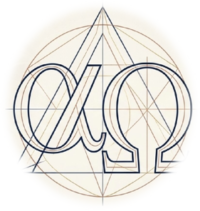

The Systemic Wisdom Cycle: Anticipating Change Through Continuous Learning
In the realm of change management, true wisdom isn’t just about reacting to problems—it is about understanding the cyclical evolution of a system to anticipate challenges before they arise. The Systemic Wisdom Cycle is a dynamic, navigational framework that maps how organizations, technologies, and human endeavors learn, adapt, and ultimately thrive.
The Eight Dimensions of a System
At the heart of the cycle is a deep understanding of a system’s core traits. An observer evaluates a system through eight symbolic dimensions: grounded in its operating theory (π) and environmental context (χ), the system relies on its resilience (ΔΨ) and capacity for structural adaptation (β). These structural shifts enhance the system’s core properties (φ) to seamlessly integrate into society and deliver services (τ), generating critical feedback (Ω) that must continually align with its ultimate, original purpose (α).
The Seven Levels of Systemic Evolution
Change, however, is not flat. These eight dimensions unfold across seven concentric levels of stability, representing the system’s learning and cognitive maturity:
- Stability: The system operates smoothly with no significant problems.
- Vigilance: Friction appears, requiring continuous attention and minor adjustments.
- Risk: The system approaches its limitations, entering a vulnerable state.
- The Edge of Chaos: Survival demands constant, critical short- and long-term decision-making.
- Cognitive Leap: The struggle forces a breakthrough—new knowledge, perception, and learning emerge.
- Disruption: This newly learned cognition matures into a dominant, transformative new practice.
- Philosophical Reflection: The highest level of wisdom, dedicated to evaluating how well this evolution serves the actual needs of the field and the common good.
A Unified Paradigm for Humans and AI
The Systemic Wisdom Cycle visualizes this journey as an 8 × 7 polar coordinate system. By understanding the 56 unique arguments within this matrix, change leaders can anticipate future phases and steer clear of wicked problems.
More than just a management tool, it is a bridge. Through this shared symbolic paradigm, the ethical insight of human reflection and the analytical advantages of Artificial Intelligence unite—empowering us to build systems that are not only resilient, but profoundly purposeful.
Why is GoodReason the solution to this challenge?
GoodReason is a systemic framework for transforming information into understanding, wisdom, and sustainable action. Beginning with α — purpose as the first symbolic and cognitive anchor — it develops toward the Geometry of Thinking, axiomatic systems science, reflective inquiry, and ultimately ethical regulation and sustainable development. Through the Systemic Wisdom Cycle, the user becomes both subject and object of inquiry: researching, representing, publishing, comparing, learning, and revising knowledge as part of a continuously evolving science.
In Finnish:
GoodReason on systeeminen viitekehys tiedon muuntamiseksi ymmärrykseksi, viisaudeksi ja kestäväksi toiminnaksi. Se alkaa α:sta – tarkoituksesta ensimmäisenä symbolisena ja kognitiivisena ankkurina – ja kehittyy kohti ajattelun geometriaa, aksiomaattista systeemitiedettä, reflektiivistä tutkimusta ja lopulta eettistä sääntelyä ja kestävää kehitystä. Systeemisen viisauden syklin kautta käyttäjästä tulee sekä tutkimuksen subjekti että kohde: hän tutkii, edustaa, julkaisee, vertailee, oppii ja tarkistaa tietoa osana jatkuvasti kehittyvää tiedettä.