
Traditional understanding of wisdom
Wisdom is known to have two essences, Sophia and Phronesis. Sophia describes theoretical wisdom, and Phronesis, in turn, practical insight and situational awareness.
The purpose of this web site is to get in good contact with Sophia in particular, and through it to understand sustainable challenges and wide-ranging phenomena of our world.
Systemic Wisdom
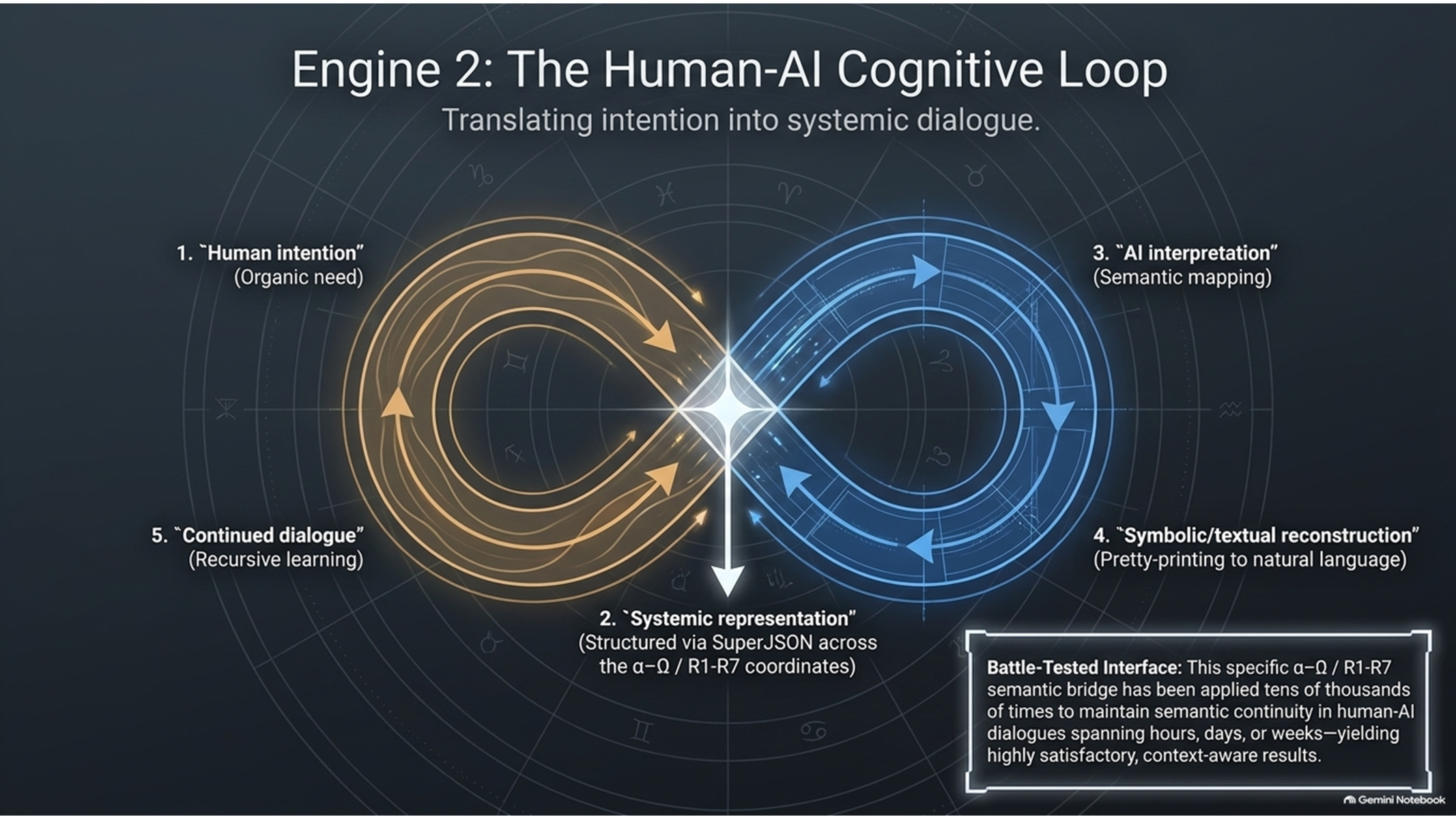
Wisdom, in the context of the Systemic Wisdom Cycle, is not a final state of certainty but the capacity to develop knowledge into increasingly coherent, transparent, and responsible understanding. It emerges when information is structured, compared, interpreted, and revised within an explicit systemic context rather than accumulated as isolated facts. A systemic approach therefore asks not only what is known, but also from which perspective, under which assumptions, at what level of abstraction, and with what degree of uncertainty. Human–AI dialogue can expand the space of inquiry by moving rapidly across theories, disciplines, scales, and alternative interpretations, but such exploration becomes scientifically useful only when its epistemic status remains visible. The role of representation is therefore central: observations, hypotheses, competing explanations, value assumptions, and unknowns should not be collapsed into a single undifferentiated answer. Wisdom develops through the recursive process research → understand → represent → publish → compare → learn → revise, in which publication is not the endpoint but part of the feedback system. From this perspective, scientific progress includes not only improved results, but also improved ways of framing Systems of Interest and tracing how inquiry moves through changing conceptual and epistemic states. The long-term aim is a research culture in which systemic understanding can become more learnable, comparable, collectively improvable, and capable of supporting wiser action.